$28,303 for a Family Plan. One Alabama Screen Maker Held Its Health Costs Flat.
$28,303.
That's what the average family health plan through work costs this year in KFF's new annual employer survey. It went up 5%, or $1,310, in a year when wages rose 3.7%.
The worker's share went up faster. Families now pay $7,471 a year out of their paychecks toward the premium, up 9%. At companies with fewer than 200 workers, it's $9,687. Those same small-company workers face an average single deductible of $2,624 before the plan pays for most things.
So the paycheck shrinks first, then the deductible stands in the doorway.
And there's no relief coming. Aon projects employers could pay 9.5% more next year. Marsh says 8.2%, the biggest jump since 2003. Among large employers, 44% said they handled this year's increase by shifting more of the premium onto workers. Others raised deductibles, switched insurers, added prior authorization, or narrowed the list of doctors people could see.
Read that list again. Every item is a way to make care harder to use. None of them makes care cheaper to deliver.
Elizabeth Mitchell, who runs the Purchaser Business Group on Health, put it plainly: "The industry is doing absolutely nothing to control costs." She asked why employers, the customers, are the ones being asked what they're doing about it.
Fair question. Here's one employer's answer.
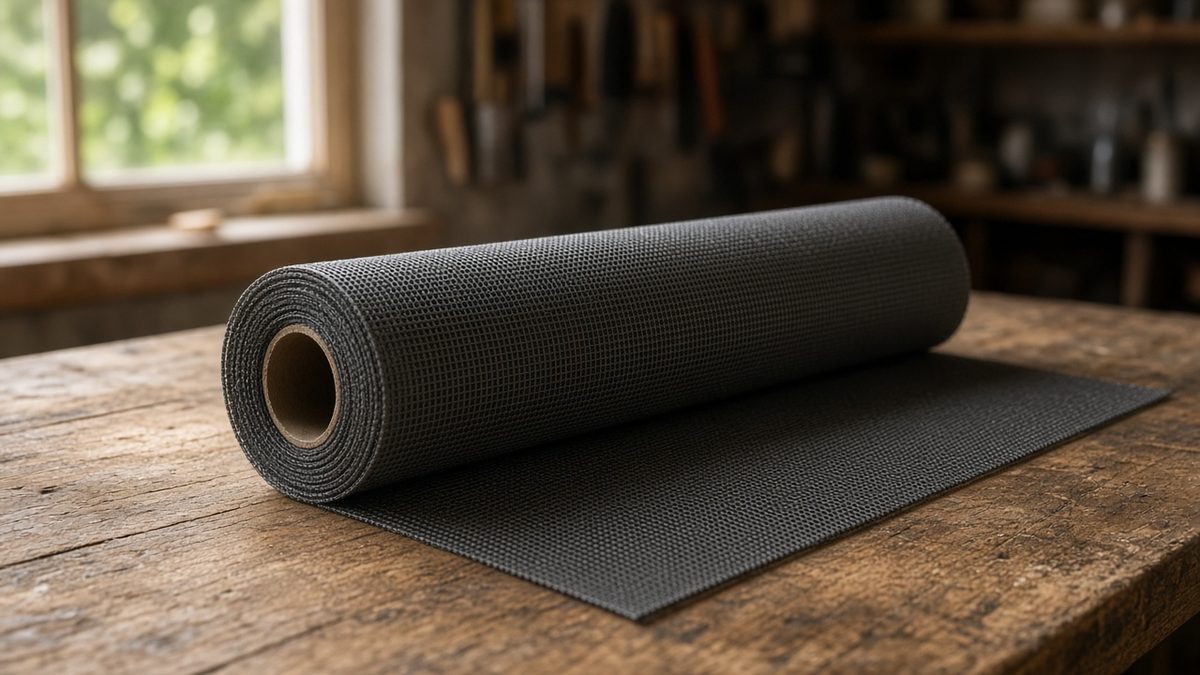
Phifer Inc., in Tuscaloosa, Alabama, makes insect screens and woven outdoor fabric. Its health costs stayed flat this year. Russell DuBose, its vice president of human resources, credits a few years of focus on zero-cost primary care for workers, through on-site clinics and direct contracts with doctors' offices. People get in quickly. Problems get caught early. The company contracts directly with some specialists too, and steers people toward the best ones it can find. "When we do that, we're paying a more reasonable price," he said.
Phifer is self-insured. It pays its own claims and buys stop-loss insurance for the very big bills, and DuBose says that coverage has gotten more expensive too. Nobody at Phifer pretends major hospital bills disappear. They just stopped running routine primary care through the most expensive billing pipe in the building.
We've watched the same dynamic for years at AtlasMD. When a worker can text her doctor about a sinus infection on Tuesday, she doesn't spend Saturday in an urgent care waiting room. When labs are a few dollars and generic meds are dispensed near wholesale, nobody skips a blood pressure refill to make the car payment. Primary care is the cheapest line item in medicine, and traditional benefit design makes it the hardest door to walk through.
Only 7% of companies in KFF's survey have an on-site clinic. You don't need one. A small business with 12 employees can't build a clinic next to the break room, but it can fund a direct primary care membership with a doctor down the street for a flat monthly fee and pair it with catastrophic coverage for major claims.
DuBose says other employers call him all the time now, nervous. "The worry is 'Could the rising cost of healthcare be the next job killer?'" he said.
During open enrollment, most workers see a bigger deduction on their pay stub and a higher deductible on their card. If you run a business, before you sign the renewal, ask your broker what Phifer asked: what happens if our people can just see their doctor?
$28,303 is what happens when you run oil changes through the auto insurer. Phifer just stopped doing it.
Get the newsletter: directcare.org/newsletter