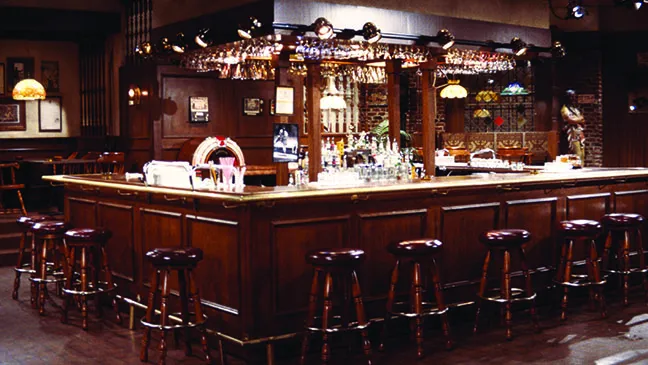
Where Everybody Knows Your Name
Sometimes you want to go where everybody knows your name…
That single line from the Cheers theme song has survived for decades because it names something deeply human. Long before algorithms, portals, or intake forms, people wanted a place where they were recognized, remembered, and welcomed—not as a transaction, but as a person.
The world of Cheers wasn’t glamorous. It was ordinary. A neighborhood bar. Familiar stools. Familiar faces. And yet, it worked because it met a core human need: to be known.
The song doesn’t celebrate perfection or efficiency. It celebrates belonging.
“You wanna be where you can see / Our troubles are all the same…”
There’s relief in not having to explain yourself from scratch every time. In being understood without performing. In knowing that someone remembers your story—and notices when something feels off.
That desire isn’t nostalgic. It’s generational. It’s wired into us.
When Healthcare Forgot the Barstool
Much of modern healthcare accidentally designed that human need out of the system.
Patients are often reduced to an ID number, a chief complaint, a problem list, and a tightly scheduled visit. Every encounter starts over. New forms. New faces. New explanations. The system may see a diagnosis, but it rarely sees the person.
That isn’t because clinicians don’t care. It’s because the structure no longer leaves room for recognition, continuity, or relationship.
Direct Care Brings Back “Your Seat”
Direct primary care quietly rebuilds what was lost.
In a direct care clinic, your doctor knows your name without checking the chart. Your story doesn’t reset every visit. Context matters as much as lab results. Time is no longer the enemy.
It feels less like a service counter and more like that familiar barstool—not because medicine should be casual, but because trust grows where people are known.
“You wanna go where people know / People are all the same…”
Direct care isn’t about nostalgia. It’s about human-scale medicine. A model that accepts a simple truth: healing works better inside relationships.
Being Seen Changes Outcomes
When patients are known, they show up earlier, ask better questions, and speak more honestly. They trust guidance. They feel safer.
When clinicians are allowed to truly know their patients, burnout drops. Judgment sharpens. Care improves. Medicine becomes meaningful again.
That isn’t a marketing claim. It’s human nature.
The Real Mission of Direct Care
Direct care isn’t primarily about pricing, access, or convenience—though those matter. Its deeper mission is restoring a place where people are recognized, remembered, and respected.
A place where you don’t feel rushed out the door. Where your doctor notices when you’re quieter than usual. Where your care fits your life, not just your diagnosis.
In a world that increasingly treats people as data points, direct care says something quietly radical:
You matter. We see you. Your story counts.
That’s why the Cheers theme still resonates. We’ve always known what we’re missing.