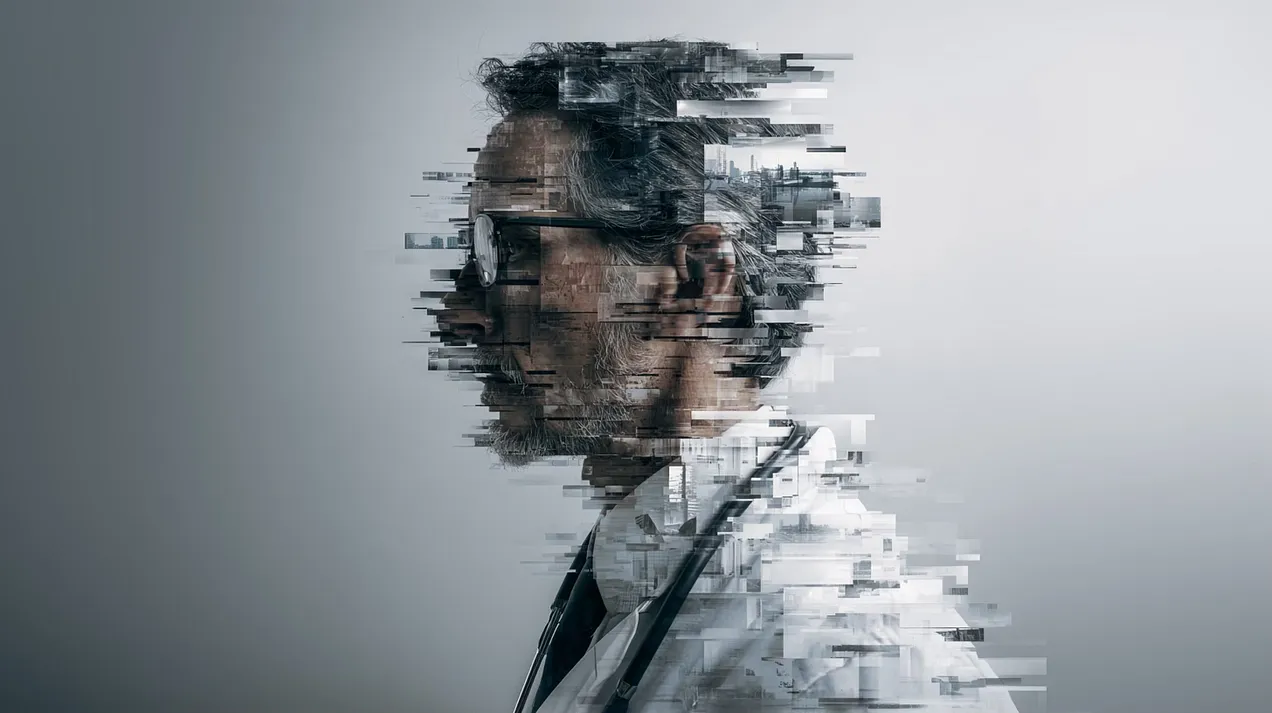
Medicine Won’t Shrink to Fit a Dashboard
And yes—some of that squishing is good. Vartabedian is careful here: refills, routine lab review, sterile processing, smart order sets… please, compress away. Healthcare has plenty of waste that deserves to be “unmercifully squished.”
But the essay’s punchline is the part that refuses to compress. The patient’s narrative isn’t “unstructured data” to be tamed; it’s often the entire diagnosis. The hidden agenda. The context that explains why the med “isn’t working,” why the symptoms started now, why this person is scared but pretending not to be. That’s not vibe work—it’s judgment under uncertainty.
This is where I think the direct care movement has something quietly radical to offer. It’s not anti-technology; it’s anti-throughput-as-a-religion. Direct care takes the one variable that most systems treat as a rounding error—time—and makes it the product. You can still use tools, templates, and AI, but they’re aimed at protecting the relationship, not replacing it.
In other words: compress the administrative sludge, not the human encounter.
If we let medicine become fully “dashboard-shaped,” we’ll produce plenty of measurable output and steadily less actual care. But if we get intentional—if we decide what should never be made faster—we can keep the craft intact while still benefiting from smarter systems.
Maybe the future belongs to the clinicians and organizations that learn to say: “Yes, we’ll optimize. And no, we won’t compress that.”