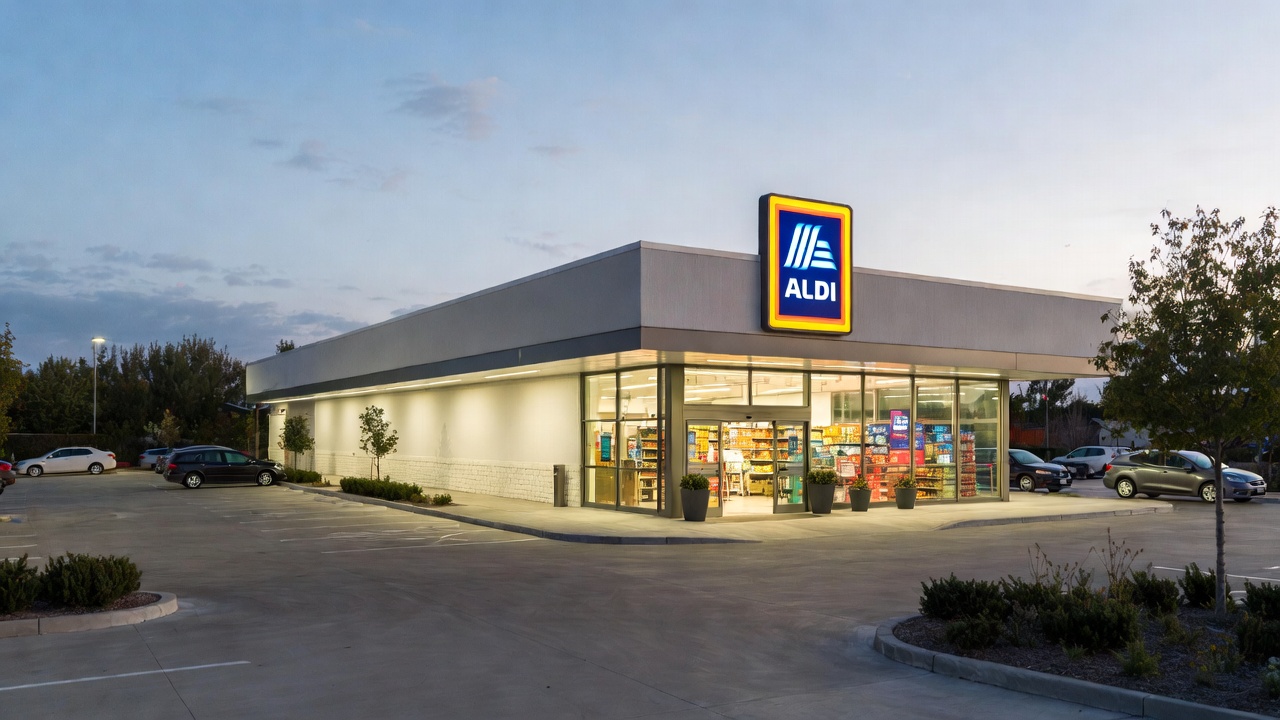
Part 1: The Aldi Trade — Why People Tolerate Friction When the Value Is Obvious
Aldi is a weird little miracle.
People wake up early, stand in line in the cold, bring a quarter to unlock a shopping cart, accept that there are no free bags, and move through a store that feels intentionally bare-bones. And then they do it again. And again. And then they post about it online like they’ve joined a club.
That’s not an accident. Aldi is a masterclass in a simple idea that health care keeps forgetting:
Consumers will tolerate friction if the payoff is real, consistent, and easy to explain.
The promise is brutally clear
Aldi doesn’t lead with “reimagining grocery.” It leads with saving money. Everything about the experience points back to that promise. The brand isn’t trying to be loved for its ambiance; it’s trying to be trusted for its value.
Direct Primary Care (DPC) works the same way when it works best.
Patients don’t join because they want a “new model.” They join because the promise feels concrete:
- “I can be seen quickly.”
- “I can text my doctor.”
- “I won’t get surprise bills.”
- “Prices are transparent.”
- “This is simpler.”
When DPC tries to be everything to everyone, it stops being memorable. And the moment the promise gets fuzzy, the trade stops feeling worth it.
The trade: small hassle, huge payoff
Aldi’s cart quarter isn’t a bug. It’s a signal: “We run lean, and you benefit from it.” The friction is small, predictable, and shared by everyone. In exchange, the customer gets what they came for: lower prices.
DPC can embrace the same principle:
- Maybe you don’t have a massive call center.
- Maybe scheduling is online-first.
- Maybe there’s a clear scope to what’s included.
- Maybe you don’t do insurance paperwork.
Those can all be acceptable “frictions”—if the patient experiences the payoff immediately:
- Same-day or next-day access
- A doctor who actually responds
- A bill that isn’t a mystery
- Meds/labs that cost what they “should” cost
- No coding games, no middlemen, no runaround
The key isn’t eliminating friction. The key is making the trade feel fair.
Predictability beats perfection
Aldi isn’t perfect. Stores can look messy. Sometimes the shelves are half empty. Yet people keep coming because the core value proposition is reliable.
In health care, patients don’t necessarily expect luxury. They expect:
- clarity
- speed
- fairness
- consistency
If your practice can deliver those, patients will forgive minor inconveniences. But if you deliver convenience without trust—or friendliness without clarity—you’ll lose them the moment they hit a surprise fee, a long wait, or a confusing policy.
A DPC “Aldi test”
Here’s a quick gut-check for any DPC clinic (or any DPC message):
- Can a patient explain your promise in one sentence?
- Do your “rules” feel like they exist to help the patient—or to protect the clinic?
- Does the patient feel the payoff in the first week?
- Do you make the trade explicit (simple, honest), or do you hide it in fine print?
When you make the trade clear, you build confidence. When you hide it, you create suspicion.
The takeaway
Aldi proves something important: people don’t mind “different” if it’s better.
They’ll accept constraints. They’ll even embrace quirks.
But only when those quirks are clearly in service of value.
Direct care doesn’t need to win by being fancy. It wins by being honest, simple, and dependable—and by making the trade so obvious that patients feel smart for choosing it.
Next up (Part 2): the “operating system” behind this—how fewer choices and ruthless simplicity create a better consumer experience and a healthier business.